
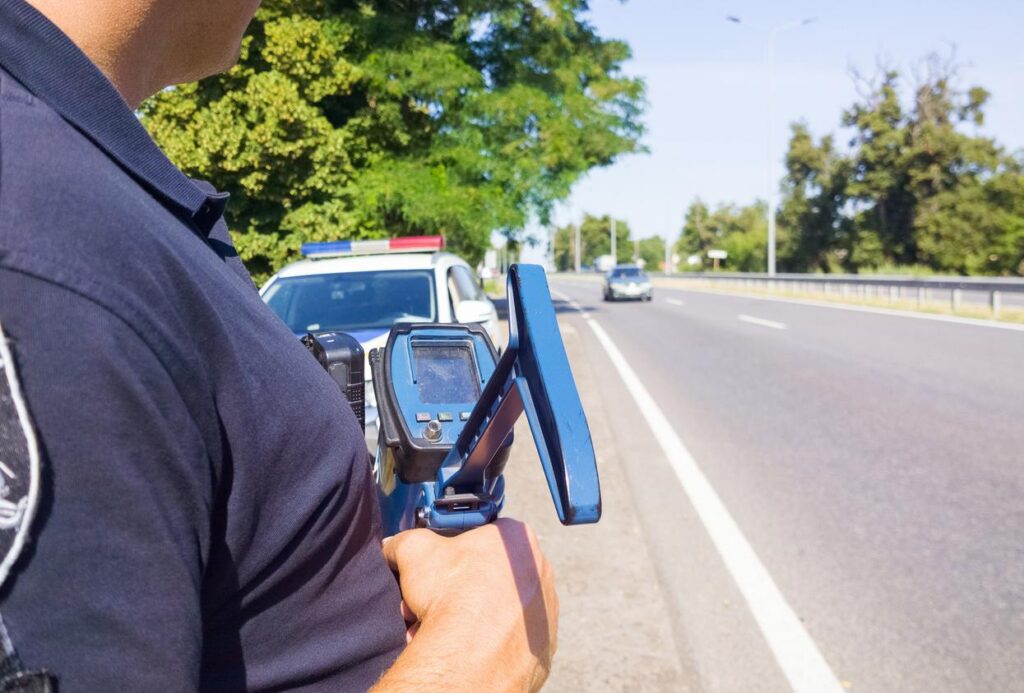
A Virginia traffic lawyer can cost more than the ticket itself — but that doesn’t automatically make hiring one the expensive choice. The smarter comparison is attorney fee versus fine versus what a conviction keeps costing you in DMV points, insurance premiums, and years on your record. This is especially true if you’re dealing with anything beyond a routine speeding citation. For a detailed look at what qualifies as a serious charge in Virginia, visit Nicewicz Law’s serious traffic violations page.
The real question isn’t just “What will a lawyer charge?” It’s “What am I actually buying, and what could a conviction cost me long after court is over?”
Table of Contents
What Does a Virginia Traffic Lawyer Usually Cost?
There is no statewide attorney fee schedule in Virginia. Lawyers set their own rates based on experience, location, and the complexity of the charges you’re facing. That said, the market is relatively predictable once you understand how legal billing works for traffic matters.
Flat fee or hourly: what most drivers are quoted
Many routine traffic tickets are handled on a flat-fee basis. For a standard speeding ticket or minor moving violation, an attorney generally knows how many court appearances are required and what negotiations with prosecutors look like — so pricing is more consistent. More serious cases are often quoted individually because they involve significantly more preparation, court time, evidence review, and risk management.
Why reckless driving usually costs more
Virginia treats reckless driving entirely differently from an ordinary traffic infraction. Reckless driving is a Class 1 misdemeanor — a criminal offense, not just a ticket. Retaining a lawyer for a reckless driving charge typically costs more because the attorney is working to help you avoid a permanent criminal record, potential jail time, and serious long-term fines. That financial picture changes the calculus considerably, which is why most drivers in this situation consider representation worth exploring. You can learn more about what’s at stake on the Nicewicz Law reckless driving page.
What Are You Really Paying for Besides the Lawyer Bill?
Many drivers focus entirely on the invoice from the attorney and overlook the multi-year cost timeline attached to a conviction. When you hire a traffic attorney, you’re often paying for help managing or reducing the compounding costs of being found guilty.
How long points and convictions can follow you
- Court day: A conviction is posted to your driving record and demerit points are assigned.
- Next 2 years: DMV demerit points remain on record for 2 years from the offense date.
- Next 36 months: An insurer may use conviction information to adjust your rates for up to 36 months.
- Next 11 years: Most 6-point violations — including reckless driving entries — stay on a Virginia driving record for 11 full years. (Virginia DMV Driver’s Manual)
How insurance can keep using a conviction after court
Your insurance provider monitors your driving record closely. If your insurer raises your premium or assigns internal points because of a traffic conviction, Virginia law requires the company to give you written notice — and you have 60 days to appeal to the Commissioner of Insurance.
How Much Is the Ticket Itself in Virginia?
Virginia law uses official fine formulas for prepayable speeding offenses, which means the cost scales directly with how fast you were going. The state also adds a fixed $51 court cost for traffic infractions. The per-mile formula breaks down as follows (Virginia Code § 46.2-878, Virginia Code § 17.1-275.1):
| Violation | Formula | Example | Example Total |
| Standard speeding | $6/mph over + $51 | 10 mph over | $111 |
| School crossing | $7/mph over + $51 | 15 mph over | $156 |
| Highway over 80 (but under 86) in a 65 zone | $100 extra + $6/mph over + $51 | 82 in a 65 | $253 |
| Residence district | $200 + $8/mph over + $51 | 12 mph over | $347 |
These are prepayment examples built from Virginia statutes and court-cost rules. A court hearing can change the final result. (Virginia Code § 46.2-878.3, Virginia Code § 16.1-69.48:1)
When Does a Traffic Case Turn Into a Reckless Driving Problem?
This is the line where most drivers need to stop thinking in terms of “just pay the ticket.”
In Virginia, driving over 85 mph or driving 20 mph or more above the posted limit can be charged as reckless driving — a criminal misdemeanor. That means the case is no longer just a fine. It carries potential jail time, license suspension, and a conviction that sits on your record for 11 years.
The Virginia State Crime Commission documented roughly 117,300 reckless driving charges and 69,500 convictions per year in its study window. That is not a rare or unusual charge — Virginia enforces these laws actively and consistently.
Why this is the point where many drivers stop “just paying it”
When one conviction can sit on a record for 11 years, affect insurance for up to 36 months, and come with criminal-level consequences, the math changes completely. Protecting your driving record and your long-term finances becomes far more important than minimizing a single court-day cost.
Is It Cheaper to Just Prepay the Ticket?
For a truly minor matter — slightly over the limit, clean record, no reckless driving risk — prepaying may be the most efficient option. But it’s important to understand what prepaying actually means legally: it is typically treated as a written guilty plea and results in a formal conviction on your record. You are not avoiding a consequence; you’re accepting one without appearing in court.
Prepaying is more likely to be the wrong financial choice when:
- The alleged speed is high enough to trigger reckless driving risk
- You already have points or a prior record
- You drive for work or hold a commercial license
- Long-term insurance costs matter more to you than the one-day fine
- You want the state’s evidence tested before accepting guilt
Common Questions Drivers Ask Before Hiring a Traffic Lawyer
How much does a traffic lawyer cost in Virginia? There is no statewide price list. Simpler matters are often quoted as flat fees. More serious cases — especially reckless driving — cost more because the stakes are higher and the attorney’s work is more intensive.
Is it worth hiring a lawyer for a traffic ticket? It depends on the ticket. Once a conviction can affect you for 2 years in points, 36 months in insurance rates, or 11 years on your driving record, the cheapest option on court day is often not the cheapest option overall.
Do traffic lawyers charge flat fees or hourly? Most routine traffic matters are handled on a flat-fee basis. Complex cases involving severe charges, accidents, or contested evidence may be custom-priced.
Can a lawyer reduce points or help avoid bigger costs later? That is usually the primary goal. While no lawyer can guarantee a specific outcome, reducing or avoiding a conviction can matter far more to your wallet over the next decade than simply reducing the initial fine.
How much does a reckless driving lawyer cost in Virginia? Typically more than a lawyer for a simple ticket — because a reckless driving charge carries significantly more risk, longer record effects, and higher legal stakes, including the possibility of a suspended license or jail time.
Bottom Line: When Paying for Counsel Makes Financial Sense
The right comparison when deciding whether to hire a traffic attorney is rarely attorney fee versus today’s fine. It is attorney fee versus the full, compounding financial life of the conviction over the next several years.
Hiring Nicewicz Law tends to make more financial sense when:
- The ticket’s math is already high before a lawyer enters the picture
- The charge is close to or clearly in reckless driving territory
- An 11-year record impact is at stake
- A 36-month insurance adjustment could cost more than legal fees
- Or prepaying would simply mean accepting guilt before the state’s evidence is ever tested
If you are not sure which category your ticket falls into, the safest first step is a consultation. Contact Nicewicz Law to discuss your case before making any decisions.
Areas of Practice
- Criminal Law
- DUI/DWI
- Traffic Violations
- Reckless Driving
- Felonies and Misdemeanors
Bar Admissions
- Virginia, 1985
- District of Columbia, 1987
- U.S. District Court Eastern District of Virginia, 1985
- U.S. District Court of the District of Columbia, 1987
- U.S. Court of Appeals 4th Circuit, 1985
- U.S. Court of Appeals District of Columbia Circuit
- U.S. Court of Federal Claims
Education
- University of Virginia School of Law, Charlottesville, Virginia
- J.D. - 1985
- Marquette University, Milwaukee, Wisconsin
- B.A. magna cum laude - 1982
- Honors: Phi Beta Kappa
- Major: Economics & Philosophy