


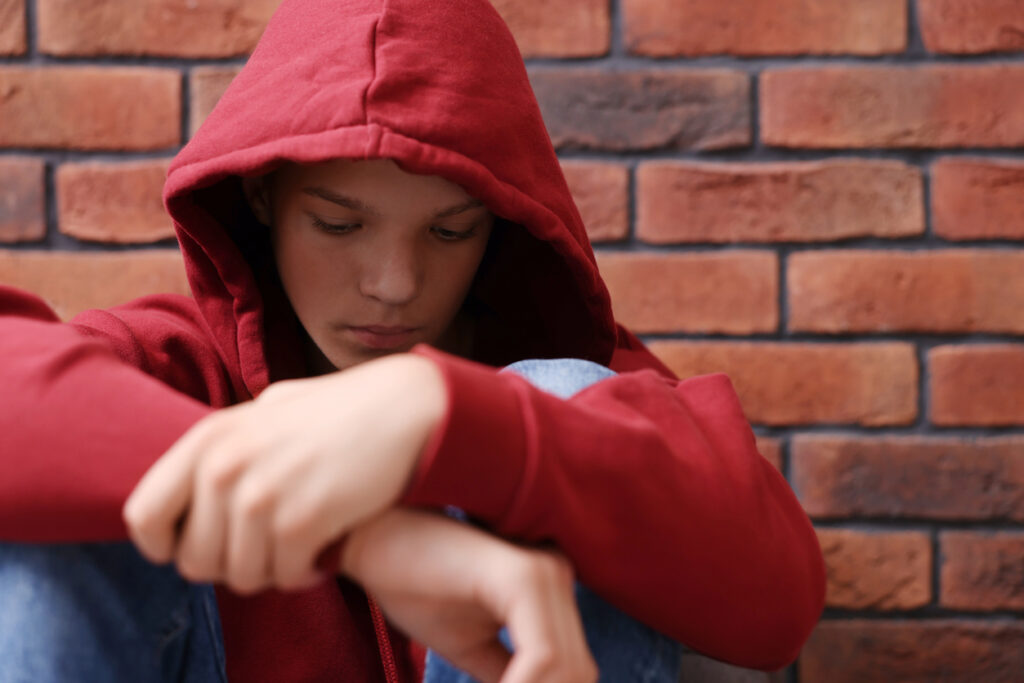
Marcus was 14 when he first encountered the juvenile justice system. A bright student with a passion for drawing, he began drifting away from his family after his parents’ contentious divorce. Seeking belonging, he fell in with an older crowd in his neighborhood. What began as skipping school soon escalated to a shoplifting charge that changed the trajectory of his adolescence. Marcus’s story is not unique; while juvenile arrests have declined 78% since the 1990s, over 700,000 youth still enter the U.S. juvenile justice system each year. This comprehensive guide from Mark Nicewicz synthesizes decades of research on what causes juvenile delinquency, who it affects, and—most importantly—what we can do about it. Whether you are a parent concerned about warning signs, an educator seeking to support at-risk students, or a policymaker looking for evidence-based solutions, understanding the complexity of youth crime is the first step toward effective prevention. It is crucial to remember that most adolescent risk-taking is developmental, and even youth who engage in delinquent behavior can turn their lives around with proper support.
What Is Juvenile Delinquency? Definition, Scope, and System
Legal Definition and Historical Context
Juvenile delinquency is broadly defined as the participation in illegal behavior by minors (individuals under the statutory age of majority). However, the legal philosophy governing these cases differs fundamentally from adult criminal law. The juvenile justice system operates under the principle of parens patriae (the state as parent), which emerged in the late 19th century with the establishment of the first juvenile court in Chicago in 1899. This founding philosophy recognized that children are fundamentally different from adults in their capacity for change, their culpability, and their need for guidance rather than pure punishment.
Legal Definition and Historical Context
Several key distinctions separate juvenile proceedings from adult criminal trials:
- Terminology: Youth are “adjudicated delinquent” rather than “convicted”; they receive “dispositions” rather than “sentences”; and they are “taken into custody” rather than “arrested.”
- Confidentiality: Proceedings are typically closed to the public to protect the minor from lifelong stigma, and records are often sealed.
- Focus: The primary goal is rehabilitation and treatment rather than retribution or incapacitation.
- Procedural Differences: Juveniles generally do not have a constitutional right to a jury trial in most states, with cases decided by judges.
Status Offenses vs. Criminal Offenses
A critical distinction in juvenile law lies between status offenses and criminal offenses:
- Criminal Offenses (Delinquent Acts): Actions that would be crimes regardless of the perpetrator’s age, such as theft, assault, drug possession, or vandalism.
- Status Offenses: Actions that are illegal only because of the offender’s age, such as truancy, curfew violations, running away, underage drinking, or tobacco possession.
Research from the Office of Juvenile Justice and Delinquency Prevention (OJJDP) indicates that status offenders typically require different intervention strategies than delinquent offenders. Status offenses are often symptoms of underlying family dysfunction, mental health issues, or school problems rather than criminal intent, necessitating supportive services rather than punitive detention.
Current Statistics: Trends, Types, and Variations
Contrary to common media narratives suggesting a youth crime wave, juvenile delinquency in the United States is dramatically decreasing. FBI Uniform Crime Reports (UCR) indicate a historic 78% reduction in juvenile arrests from the peak in 1996 to 2020. This decline is broad-based, observed across all major categories: property crimes have dropped by 83%, and violent crimes by 58%. While recent post-pandemic data suggests upticks in specific areas like car theft, the overall trend remains overwhelmingly downward.
Key Fact: Juveniles now account for only 5.6% of all arrests in the United States, down significantly from 14% in 2000.
Breakdown of Offenses
According to 2019 data, approximately 728,280 delinquency cases were handled in U.S. courts. The breakdown of offenses typically follows this pattern:
- Property Offenses (~37%): Larceny-theft is the single most common offense, followed by vandalism and burglary.
- Person Offenses (~26%): Primarily simple assault (often fighting without weapons), with serious violent crimes like robbery or aggravated assault being relatively rare (less than 1% of arrests).
- Public Order Offenses (~26%): Disorderly conduct, obstruction of justice, and non-violent disturbances.
- Drug Law Violations (~11%): Primarily possession of marijuana or paraphernalia.
Geographic and Demographic Variations
Juvenile crime rates vary significantly by geography. While urban areas have historically had higher arrest rates, the gap between urban and rural delinquency is narrowing. Certain regions show consistently higher rates, often correlating with concentrated poverty and lack of resources. Additionally, significant racial disparities persist. According to The Sentencing Project, Black youth are arrested at 2.5 times the rate of white youth despite similar rates of self-reported delinquent behavior, highlighting systemic bias at decision points from arrest to sentencing.
Main Causes: An Ecological Perspective
There is no single cause of juvenile delinquency. Experts utilize an ecological model viewing behavior as the result of interactions across five domains:
1. Family Factors
The family environment is the foundational context for development. Research confirms that parenting style significantly influences behavior. Authoritative parenting (high warmth, high control) is consistently most protective. Conversely, neglectful parenting (low warmth, low control) carries the highest risk. Other critical family factors include:
- Abuse and Neglect: Data from the National Institute of Justice (NIJ) shows that abused or neglected children are 2 to 3 times more likely to be arrested as juveniles, a phenomenon known as the “cycle of violence.”
- Parental Incarceration: Approximately 1 in 14 children has experienced parental incarceration, a potent stressor leading to instability, shame, and financial hardship.
- Family Conflict: Chronic domestic violence exposure teaches children that aggression is an acceptable way to resolve disputes.
2. Peer Influence
During adolescence, peers become the primary reference group. Association with delinquent peers is the single strongest predictor of adolescent delinquency. This operates through social learning (observing and mimicking behavior) and reinforcement (gaining status through rule-breaking). However, research suggests a bidirectional relationship: “birds of a feather flock together” (selection) and “bad company corrupts good character” (influence) are both true mechanisms.
3. School Factors
School is the primary institution outside the family. Academic failure is both a cause and a consequence of delinquency. Learning disabilities and low literacy lead to frustration, embarrassment, and disengagement. When students feel disconnected from school, the social bond inhibiting deviance weakens. Furthermore, zero-tolerance policies—often called the “school-to-prison pipeline”—exacerbate this by pushing students out of school for minor infractions like truancy or disruption, increasing their likelihood of justice system involvement.
4. Community Factors
Neighborhoods characterized by concentrated poverty, high residential turnover, and lack of resources struggle to maintain “collective efficacy”—the community’s shared willingness to intervene and supervise youth. In these “socially disorganized” environments, criminal behavior may be viewed as a normative adaptation to limited opportunities and safety threats. Exposure to community violence also causes trauma, leading to hypervigilance and reactive aggression.
5. Individual Factors
While environmental factors are crucial, individual characteristics also play a role. These include temperament (impulsivity, sensation-seeking), cognitive deficits (low verbal IQ, executive function problems), and low self-control. However, these individual traits are not destiny; they interact with environmental factors to either amplify or mitigate risk.
Adolescent Brain Development and Legal Implications
Recent advances in neuroscience explain why adolescents are uniquely prone to risky behavior. The brain matures from back to front. The Limbic System (responsible for emotion and reward-seeking) matures during puberty, while the Prefrontal Cortex (responsible for impulse control, planning, and judgment) does not fully mature until the mid-20s. This creates a “developmental mismatch”—an engine with a Ferrari accelerator but bicycle brakes.
The Peer Effect and Neuroplasticity
Studies show that the mere presence of peers changes adolescent brain functioning, activating reward centers and increasing risk-taking behavior in ways that do not occur for adults. Furthermore, adolescence is a period of heightened neuroplasticity, meaning the brain is highly adaptable. This makes teenagers vulnerable to negative influences but also uniquely responsive to positive interventions and rehabilitation.
This science was cited in landmark Supreme Court rulings (e.g., Roper v. Simmons, Miller v. Alabama), which abolished the death penalty and mandatory life without parole for juveniles. The Court reasoned that juveniles’ diminished culpability, susceptibility to peer pressure, and capacity for change make them constitutionally different from adults.
Individual Risk Factors: Mental Health and Cognition
Mental Health Disorders
Mental health disorders are significantly overrepresented among justice-involved youth; 65-70% meet criteria for at least one disorder compared to 20% of the general population.
- Externalizing Disorders: Conduct Disorder (CD) and Oppositional Defiant Disorder (ODD) are strong predictors, characterized by persistent patterns of aggression and rule violation.
- ADHD: Attention-Deficit/Hyperactivity Disorder is found in 40-50% of incarcerated youth. Untreated ADHD impairs judgment, increases conflict with authority, and leads to school failure.
- Internalizing Disorders: Depression and anxiety often drive delinquency, particularly self-medication through substance use or acting out due to irritability.
Trauma and Substance Abuse
Trauma is nearly universal in the justice-involved population, with high rates of PTSD resulting from abuse or violence exposure. Trauma affects the developing brain’s stress response system, making youth hypervigilant and reactive. Additionally, substance use is both a risk factor and a form of delinquency. Early use (before age 14) predicts serious offending. According to the Substance Abuse and Mental Health Services Administration (SAMHSA), integrated treatment addressing both substance abuse and delinquency is significantly more effective than treating either in isolation.
Socioeconomic Factors: Poverty, Privilege, and Disparities
The Cycle of Poverty
Poverty is consistently correlated with higher delinquency rates, not because poor people are less moral, but because poverty brings a constellation of stressors: family instability, under-resourced schools, unsafe neighborhoods, and lack of supervision options. This creates a cycle where delinquency leads to a criminal record, which limits future employment, perpetuating poverty for the next generation.
Middle-Class Delinquency and “Affluenza”
Delinquency is not exclusive to poverty. Middle-class and affluent youth also offend, though often in different ways (e.g., substance abuse, digital crimes, vandalism). “Affluenza” describes risks associated with privilege: entitlement, lack of consequences, and emotional isolation from parents who may be financially successful but emotionally absent. Intense achievement pressure can also drive substance use and cheating.
System Disparities
Perhaps the biggest socioeconomic difference is in system response. Affluent youth are more likely to be diverted to private treatment or receive informal warnings, while low-income youth are processed formally. Wealth provides access to private attorneys and alternatives to detention, creating a two-tiered justice system based on class.
Technology and Social Media: New Frontiers of Delinquency
The digital age has introduced new categories of offenses and amplified existing risks:
- Cyberbullying: A precursor to physical violence and a serious form of harassment that can lead to tragic outcomes.
- Digital Crimes: Sexting (often prosecuted as child pornography distribution), hacking, and online fraud are increasing.
- Social Media Influence: “Cyber-banging” involves gangs recruiting and taunting rivals online. Social media challenges often encourage vandalism or theft for “clout.”
- The Digital Divide: Unsupervised internet access exposes vulnerable youth to criminal networks and knowledge previously inaccessible.
Gender Differences and LGBTQ+ Youth
Different Pathways
Males account for approximately 71% of delinquency cases, typically involving violent and property crimes. Females (29%) are disproportionately arrested for status offenses and relational aggression. Girls in the system have significantly higher rates of sexual abuse (estimated at 70-80%); their pathway to delinquency is often the “sexualization of survival,” where running away from abuse leads to survival crimes like theft or prostitution. Gender-responsive interventions must prioritize trauma-informed care.
LGBTQ+ Youth Overrepresentation
LGBTQ+ youth are significantly overrepresented in the juvenile justice system (comprising ~20% of detainees vs. 5-7% of the population). Primary drivers include family rejection leading to homelessness, school bullying leading to truancy/fighting, and discriminatory enforcement of status offenses.
Prevention and Treatment: What Works?
Effective prevention operates on three levels: Primary (universal programs for all youth), Secondary (targeted at-risk youth), and Tertiary (treatment for offenders). Research overwhelmingly supports therapeutic approaches over punitive ones. Programs like “Scared Straight” or boot camps have been shown to be ineffective and often harmful, increasing recidivism by traumatizing youth and reinforcing deviant identities.
Evidence-Based Programs
Resources like Blueprints for Healthy Youth Development identify programs with proven efficacy:
- Nurse-Family Partnership: Home visits for first-time, low-income mothers to improve family functioning, yielding high long-term ROI.
- Functional Family Therapy (FFT): Short-term family intervention addressing communication patterns and conflict resolution.
- Multisystemic Therapy (MST): Intensive community-based treatment addressing family, peer, school, and individual factors simultaneously.
- Big Brothers Big Sisters: Mentoring that reduces substance use and improves academic outcomes through consistent adult support.
Long-Term Outcomes and Life Trajectories
Crucially, most juvenile offenders do not become adult criminals. Developmental psychologists identify two primary patterns:
- Adolescence-Limited Offenders (~85%): Begin offending in adolescence and desist by their early 20s. Their behavior is driven by the “maturity gap”—wanting adult status before having adult roles. As they enter adulthood (employment, marriage), they naturally desist.
- Life-Course Persistent Offenders (~5-10%): Begin antisocial behavior in childhood and persist into adulthood. This small group accounts for a disproportionate amount of crime and often suffers from neuropsychological deficits and adverse environments.
Factors for Success
Key factors promoting desistance include brain maturation, stable employment, marriage/committed relationships, and cognitive transformation (changing one’s identity). However, justice system involvement—particularly incarceration—can create “collateral consequences” that block these pathways by creating barriers to education, employment, housing, and military service.
COVID-19 Impact on Juvenile Delinquency
The pandemic created a unique natural experiment. Initially, juvenile arrests plummeted due to lockdowns and school closures (reducing opportunities for crime). However, the loss of structured environments, school support, and access to counselors exacerbated mental health crises. We are now seeing “rebound” effects, with upticks in specific areas like motor vehicle theft and firearm-related offenses, potentially linked to the lingering economic and psychological fallout of the pandemic years and the “social skills gap” developed during isolation.
Early Warning Signs by Age
Early Childhood (3-7): Aggression toward peers, cruelty to animals, severe defiance, lack of empathy.
Middle Childhood (8-11): Stealing, chronic lying, academic decline, peer rejection, withdrawal.
Adolescence (12-17): Substance use, gang affiliation, repeated truancy, escalation of aggressive behaviors, sudden change in peer group.
Call to Action
Preventing juvenile delinquency is a collective responsibility. Mark Nicewicz understands the critical importance of early intervention, evidence-based prevention strategies, and comprehensive support for at-risk youth and their families.
For Parents
Maintain open communication and know your child’s friends. Balance warmth with consistent boundaries. If you see warning signs, seek help early—do not wait for an arrest. Professional guidance can make all the difference in redirecting a young person’s trajectory before legal consequences occur.
For Educators
Advocate for restorative justice practices in schools rather than zero-tolerance policies. Recognize behavior as a form of communication—often signaling trauma or learning needs. Be the supportive adult who makes a difference in a struggling student’s life.
For Communities
Invest in after-school programs, youth employment, and mentorship opportunities. Idleness is an enemy of adolescent development. Supporting families with resources reduces stress and improves outcomes for everyone. If your family is facing challenges with juvenile delinquency, remember that help is available. The juvenile justice system prioritizes rehabilitation, and early intervention can prevent minor missteps from becoming lifelong consequences. Contact Mark Nicewicz for guidance on navigating the juvenile justice system and accessing resources to support your child’s future.